
How to Recognize Signs of Stress in Dogs
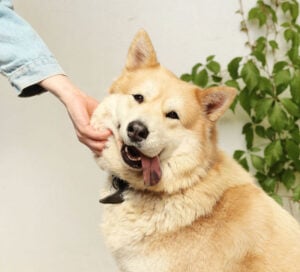
Dogs communicate through body language, and stress can show up in subtle ways. Learn how to recognize common signs of stress in dogs, understand what may trigger them, and help your dog feel safer and more comfortable.
What Are the Signs of Stress in Dogs?
The most common signs of stress in dogs include panting when it is not hot, yawning, lip licking, pinned-back ears, a tucked tail, trembling, pacing, hiding, and whining or barking more than usual. A stressed dog may also freeze, turn away, or refuse treats.
Your dog cannot tell you when something feels wrong. Learning to recognize dog body language can help you identify discomfort early and respond before the situation becomes more stressful. For more ways to protect your pet, visit our safety tips for dogs page.
Dog Body Language: Signs a Dog Is Uncomfortable
Stress can show up throughout your dog's body. Look at the face, ears, tail, posture, and movement together rather than relying on a single sign.
| Body Area | Possible Signs of Stress |
|---|---|
| Face and mouth | Lip licking, yawning, panting when it is not hot, drooling, or a tight mouth |
| Eyes | Whale eye (visible whites of the eyes), wide eyes, or looking away |
| Ears | Pinned back or held flat against the head |
| Tail | Tucked under the body or held lower than usual |
| Body | Trembling, shaking, freezing, crouching, or increased shedding |
| Movement | Pacing, hiding, backing away, or turning the head or body away |
| Behavior | Whining, excessive barking, refusing treats, or having difficulty responding to familiar cues |
One sign alone does not always mean your dog is stressed. For example, yawning can simply mean your dog is sleepy. However, when several signs appear together or occur around the same trigger, your dog may be feeling uncomfortable.
What Causes Stress in Dogs?
Dogs may become stressed when they encounter unfamiliar situations, sudden changes, or experiences they find overwhelming. Common triggers include:
- Loud noises, such as fireworks, thunder, and Phoenix monsoon storms
- Unfamiliar people, visitors, or other dogs
- Moving to a new home or changes in routine
- Being left alone
- Crowded environments, car rides, and veterinary visits
- Hot weather or uncomfortable environments
- Overstimulation or not getting enough rest
Some dogs may need several days or weeks to feel comfortable in a new home. Our new dog checklist can help you prepare for your dog's arrival and create a more comfortable environment.
What to Do When Your Dog Is Stressed
Recognizing stress is the first step. Responding calmly and giving your dog space can help prevent the situation from becoming more overwhelming.
What to Do:
- Remove the trigger. If possible, move your dog away from loud noises, unfamiliar people, or other dogs that are causing discomfort.
- Give your dog space. Avoid crowding, hugging, or forcing your dog to approach something frightening.
- Stay calm. Use a calm voice and slow movements. Give your dog time to settle without adding pressure.
- Provide a comfortable environment. Offer a quiet resting area and maintain a consistent routine for meals, walks, and sleep. A suitable chew or snuffle mat may also provide enrichment.
- Reward relaxed behavior. Use treats and praise when your dog voluntarily settles or responds calmly, provided your dog is comfortable accepting them.
What Not to Do:
Never punish your dog for showing signs of fear or stress, such as growling, barking, or hiding. Punishment may increase fear and make it harder for your dog to feel safe. Shock, prong, and choke collars can also cause discomfort or add to an already stressful experience.
K9 Katelynn recommends positive reinforcement training, which focuses on rewarding desired behaviors and helping dogs build confidence.
When to Contact Your Veterinarian:
If stress-related behaviors appear suddenly, persist, or occur alongside changes in appetite, sleep, or activity, consult your veterinarian. Pain and medical conditions can sometimes cause behaviors that resemble stress. Seek prompt veterinary care if your dog shows severe or rapidly worsening symptoms.
Signs of Stress in Dogs: Quick FAQ
1. How do I know if my dog is stressed?
Look for changes in your dog's body language and behavior, such as lip licking, yawning, pinned-back ears, a tucked tail, pacing, hiding, or refusing treats. Several signs occurring together may indicate stress.
2. What does a stressed dog look like?
A stressed dog may appear tense, crouch low, freeze, tuck its tail, hold its ears back, or repeatedly look away. Signs vary from dog to dog.
3. Is yawning always a sign of stress in dogs?
No. Dogs also yawn when they are tired or relaxed. Yawning may indicate stress when it occurs alongside other signs or in response to an uncomfortable situation.
4. Can stress make a dog sick?
Ongoing stress can affect a dog's appetite, sleep, and behavior. If you notice persistent changes or are concerned about your dog's health, consult your veterinarian.
Need Help With a Stressed, Fearful, or Anxious Dog?
If your dog frequently shows signs of stress, professional guidance may help you identify triggers and develop a plan to support more confident behavior.
K9 Katelynn offers private, in-home dog training using force-free, positive reinforcement methods. Training can address fear, anxiety, reactivity, and everyday manners while helping owners better understand their dogs' needs.
K9 Katelynn serves dog owners across Phoenix, Scottsdale, and Mesa, Arizona. Learn more about Phoenix dog training or contact K9 Katelynn to discuss your dog's training needs.